

Cooling system problems can be dangerous for your engine, as excessively high temperatures will damage vulnerable engine components. As your Nissan dealership, we’d like you to know some signs that you need to visit us to have the system checked and repaired.
3 Types of Cooling System Repair Available at Your Nissan Dealership
Coolant Replacement
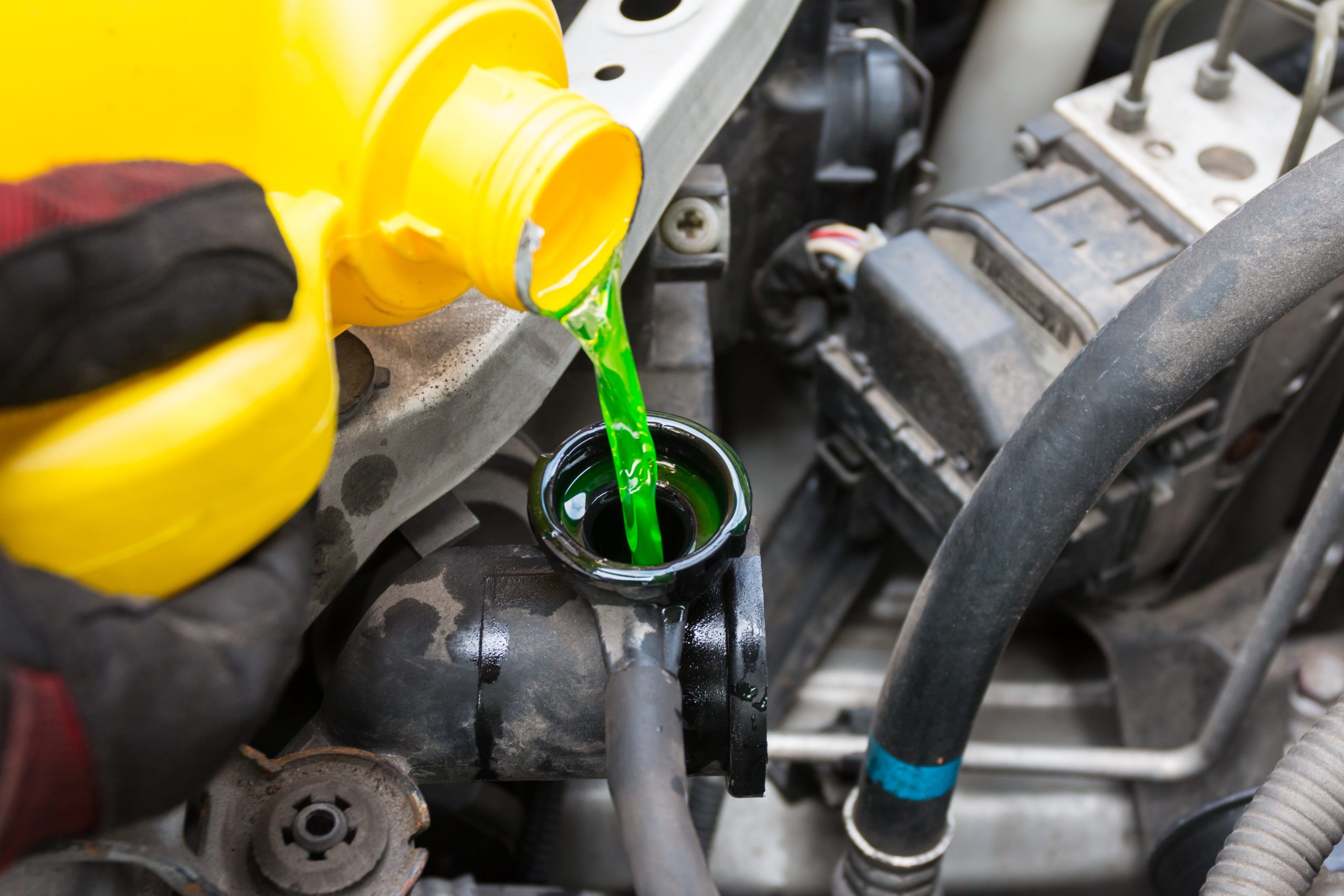
Coolant is used to remove heat so the engine can work at a safe operating temperature. The engine generates intense heat due to combustion and the constant movement of countless engine components. Liquid coolant, a mixture of antifreeze and water, is pumped through the engine and absorbs this heat. The heat is then transported to the radiator for removal by heat exchange with the cooler outside air.
The coolant slows down and thickens over time due to the accumulation of dirt and other debris it collects during its travel through the engine. Thicker coolant is less effective at heat absorption, and your engine temperature will rise as a result. In addition, older coolant can become corrosive and damage your engine. We drain the old coolant, then flush the system to remove any residue. Once the system is clean, we refill the coolant.
Worn RadiatorCap
The radiator cap is located on top of the radiator, and it helps maintain pressure in the system. The coolant system, as we’ve seen, relies on high pressure to allow the coolant to keep the engine temperature under control by swiftly removing excess heat. Heat carried by the coolant can increase system pressure, and if this happens, the cap opens to release the excess pressure and then closes again.
The cap has a thick seal to secure it in place and provide an airtight seal. In time, the seal can wear out or shrink, and coolant will escape. If your temperature gauge rises for no obvious reason, the cap could be damaged. We’ll investigate and fix the problem.
Damaged Radiator Hoses
The radiator is connected to the coolant system by two thick rubber hoses, one at the top that brings hot coolant into the radiator and the other at the bottom to allow the coolant to leave and recirculate through the engine. The hoses are heat-resistant as they regularly carry coolant that can reach temperatures of 300°F or more.
As time passes, the hoses will become less flexible and can crack. Any crack will widen and deepen as the coolant passes through it, and the hose can spring a leak. Leaking coolant reduces pressure in the system, causing the remaining coolant to slow down, and your engine will start to overheat in minutes. Our technicians will examine the hoses and replace them if they’re damaged.
Don’t risk major engine damage. Contact us today at James Ceranti Nissan in Greenville, MS.
Connect with us


